The Complete Guide to LPG Inventory Management
Master the art of tracking filled cylinders, empty returns, godown transfers, and defectives without stock discrepancies.
LPG VAYAPAR Team
Inventory Systems Lead
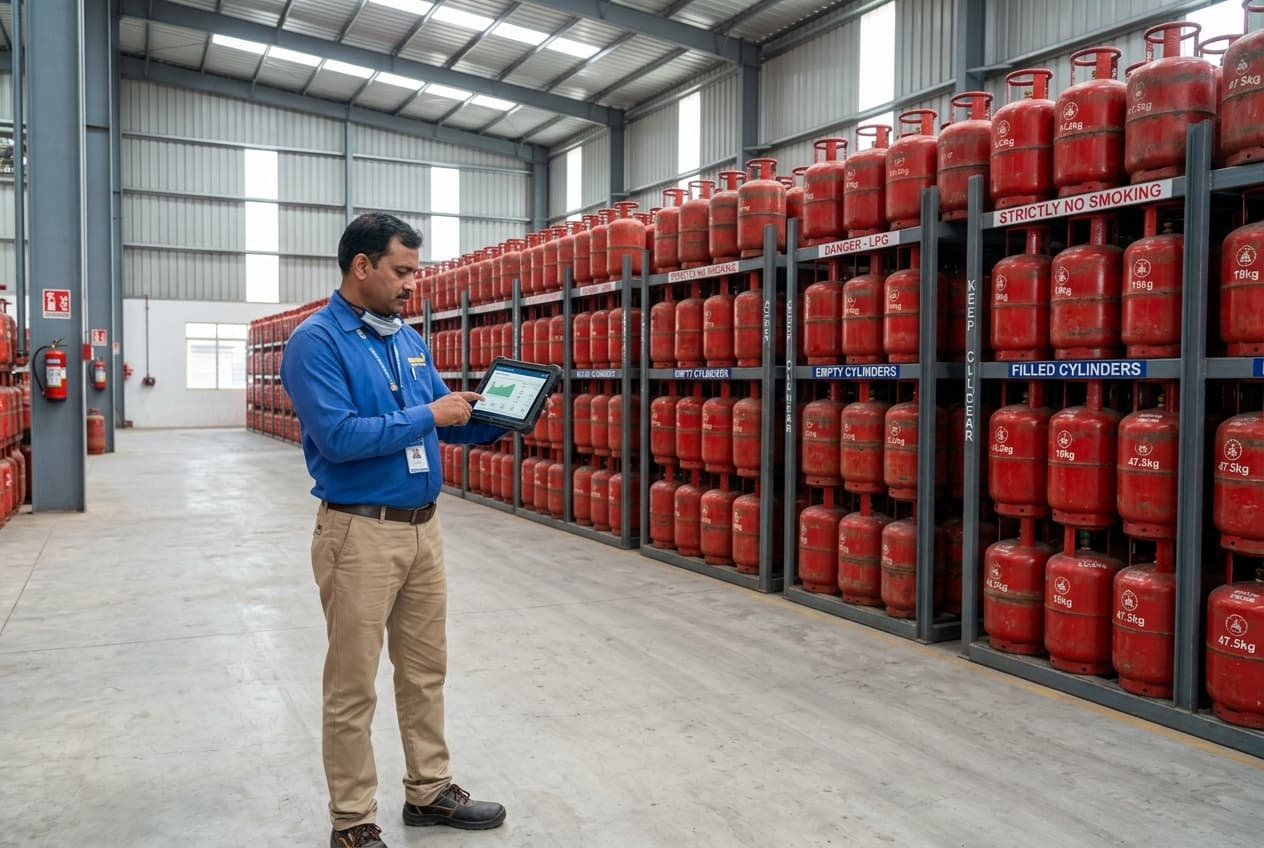
- LPG inventory has two critical dimensions: the LPG gas product and the valuable cylinder asset container.
- Commercial cylinders (19 kg and 47.5 kg) require dedicated customer-linked deposit registries to prevent capital drain.
- Conducting automated morning and evening physical versus system stock reconciliation stops godown leakage.
- Automated low-stock thresholds prevent costly stockouts during peak festival refill spikes.
Understanding the Dual Nature of LPG Inventory
Unlike retail businesses that sell a product inside disposable packaging, an LPG distributorship sells gas contained inside heavy steel cylinders that remain agency or oil company capital assets. This means every single cylinder has two balances to track: whether it contains gas (filled) or has been exhausted (empty), and where the physical container currently resides.
A failure to account for empty cylinders is equivalent to leaking cash. Over a single year, even an agency with 5,000 active connections can lose dozens of cylinders worth lakhs of rupees if returns are not logged rigorously.
The Asset Value of Cylinders
A standard commercial cylinder deposit represents thousands of rupees. Inaccurate cylinder tracking directly hits the distributor's balance sheet.
The 4 Core Pillars of LPG Stock Control
To maintain a 100% accurate inventory dashboard, top-performing agencies enforce four non-negotiable operational controls.
1. Separation of Domestic and Commercial Categories
Domestic 14.2 kg subsidized/non-subsidized cylinders follow completely different booking rules, quotas, and pricing structures compared to 19 kg commercial, 5 kg FTL (Free Trade LPG), and 47.5 kg industrial cylinders. Maintaining strict separation in your management system avoids category mix-ups and tax reconciliation headaches.
2. Godown to Showroom Transfer Logging
When cylinders move from the central godown to an urban delivery hub or showroom for counter sales, every dispatch must have an internal gate pass. Unrecorded inter-facility transfers are the leading cause of phantom stock deficits.
3. Defective and Damaged Cylinder Handling
Leaking valves, dented foot rings, or cylinders requiring mandatory hydro-testing must be cordoned off immediately. The software logs defective inventory separately from regular empties, facilitating swift return to the bottling plant for credit notes without distorting operational stock numbers.
4. Supplier Purchase Inward and Return Audits
When an oil company truck arrives from the bottling plant, verifying the count of filled cylinders against the supplier delivery challan is critical. Inward stock must be recorded with invoice numbers, truck registration numbers, and batch details to safeguard supplier claims.
Preventing Stockouts with Automated Reorder Alerts
Running out of filled cylinders during winter months or festive holiday periods damages customer loyalty and triggers panicked emergency indenting. An intelligent software system monitors historical consumption patterns and calculates replenishment lead times.
Once available stock approaches the safety threshold, the system flags the distributor to place an indent with the bottling plant, ensuring continuity of supply without locking up excessive working capital.
Conclusion: Inventory Discipline Drives Profitability
Precise stock control is the bedrock of an efficient gas agency. When every filled cylinder, empty return, and defective unit is accounted for in real-time, the agency operates with confidence, prevents asset loss, and ensures customers never hear the dreaded words: 'Stock not available'.
Written by LPG VAYAPAR Team
Inventory Systems Lead
LPG VAYAPAR is built by gas agency specialists to solve real-world daily distribution, stock tracking, and billing challenges for 685+ agencies across India.
Related Articles
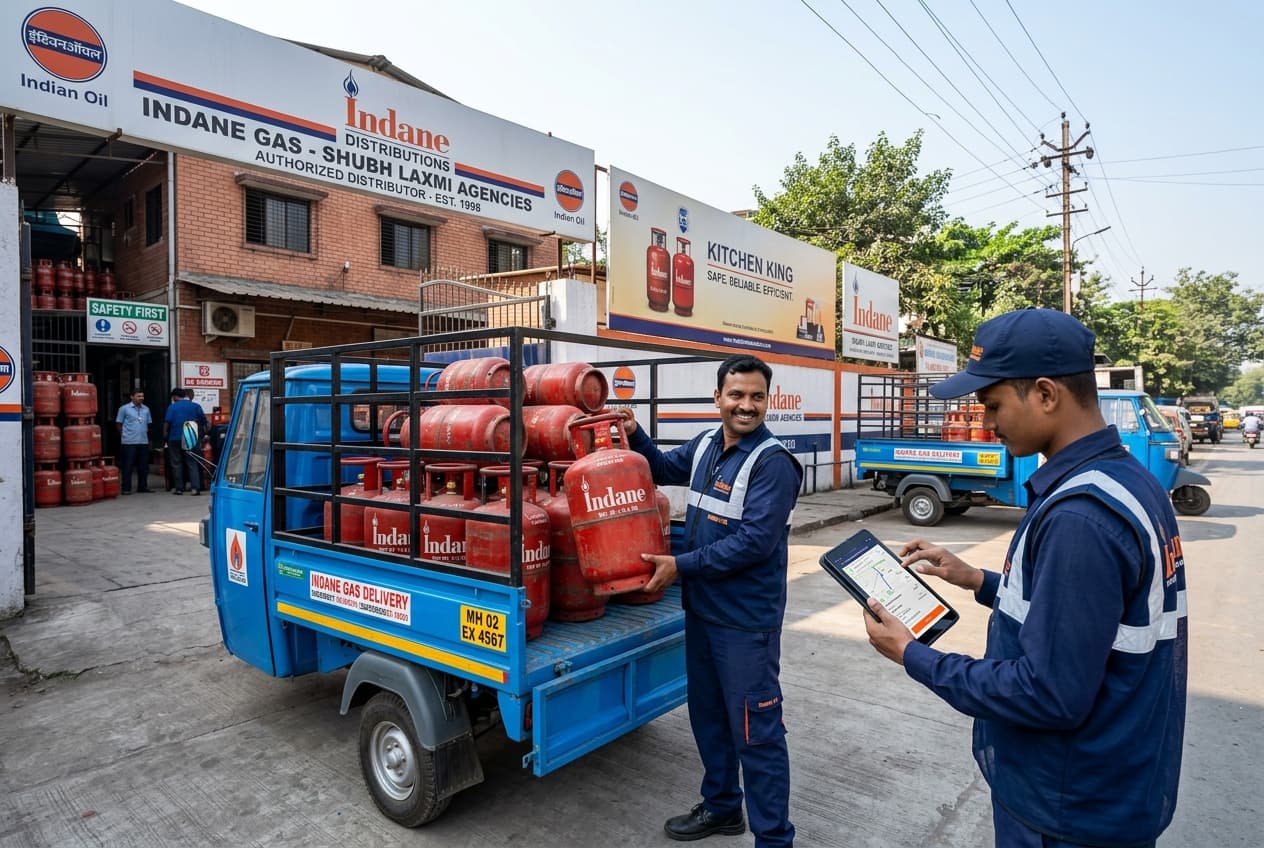 Operations
How to Reduce Delivery Errors by 95% with LPG Software
Manual delivery tracking leads to missed orders, wrong addresses, and frustrated customers. Learn how automation can eliminate these issues and boost your agency's efficiency.
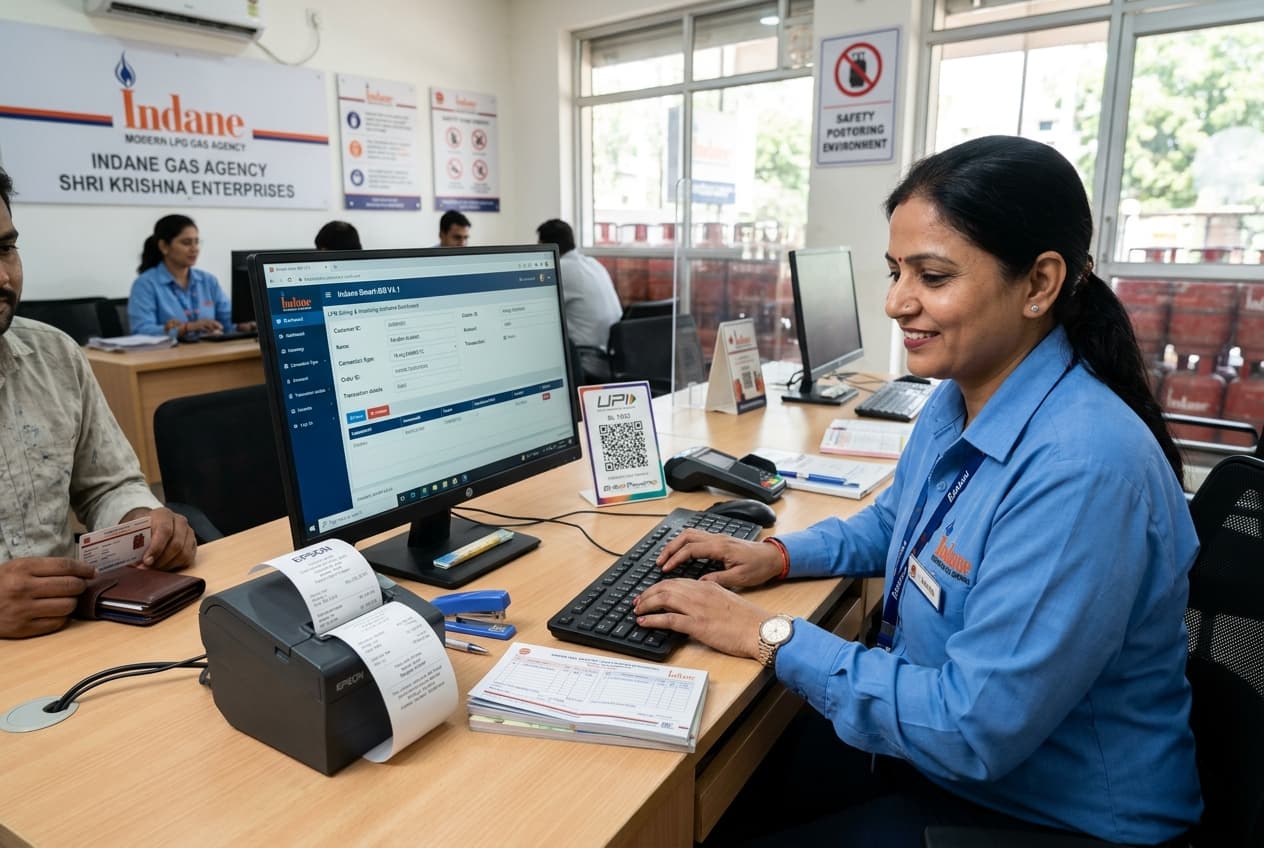 Billing
Digital Billing: Why Your Gas Agency Should Go Paperless
Paper invoices are slow, error-prone, and costly. See how digital billing saves time, reduces errors, and improves customer satisfaction.
 Analytics
5 Ways to Boost Your Gas Agency Profits with Analytics
Data-driven decisions can increase your margins by 30-50%. Learn how to use reporting dashboards, KPIs, and customer insights to grow your business.
Transform Your Gas Agency Operations Today
Join 685+ gas agencies across India saving hours every day, eliminating delivery mistakes, and boosting profits.